







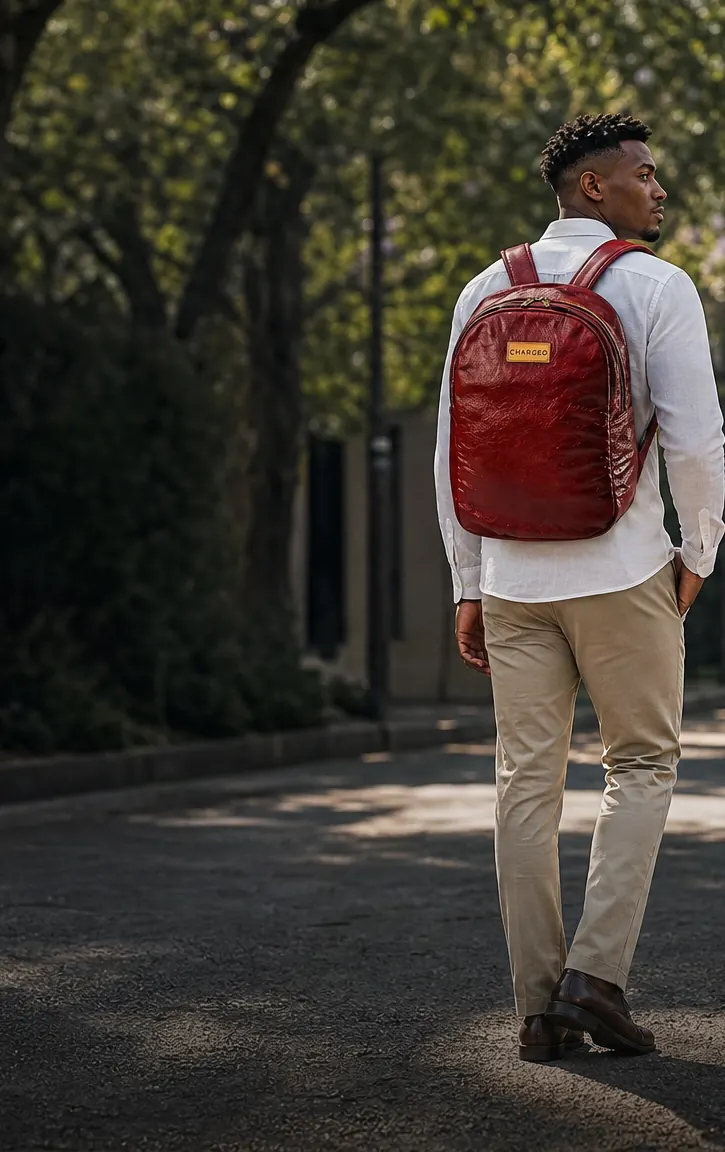
Branded corporate gifts are kept when the object is fine and the logo is small. That is our view. This guide gives ideas that carry a logo well, compares the branding methods, and lists what to check on the proof before you approve it. It is one part of our guide to corporate gift ideas.
Branded Gift Ideas People Keep
- A good notebook. Logo inside the front cover, in foil or debossed.
- A glass decanter. Logo engraved on the base.
- A wool scarf. Logo on a woven label.
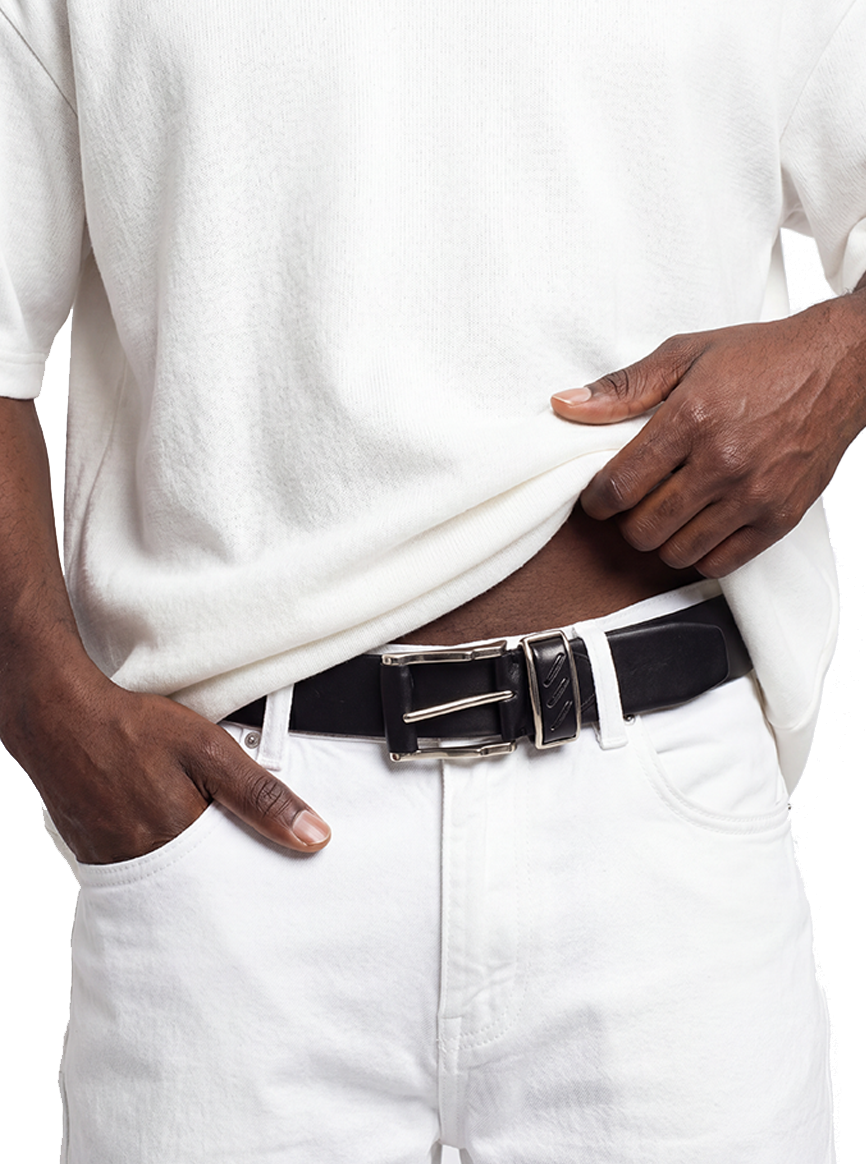
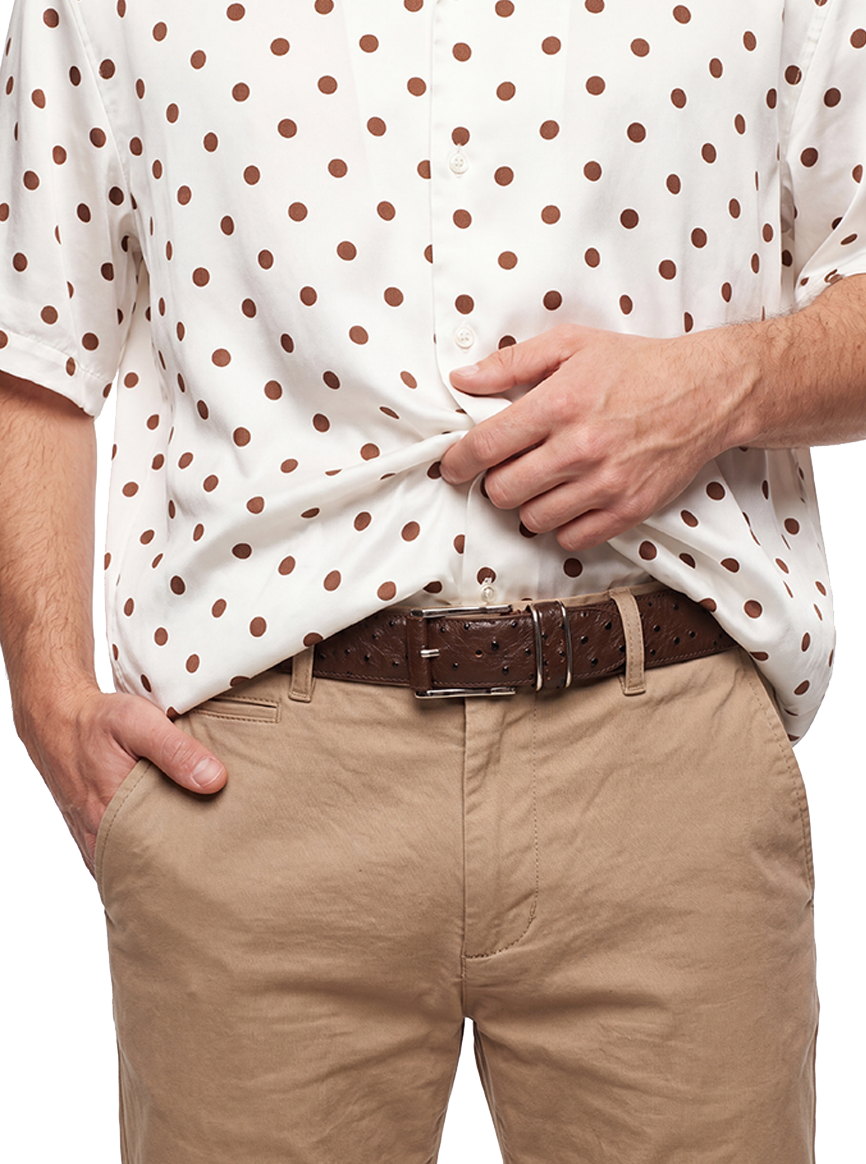
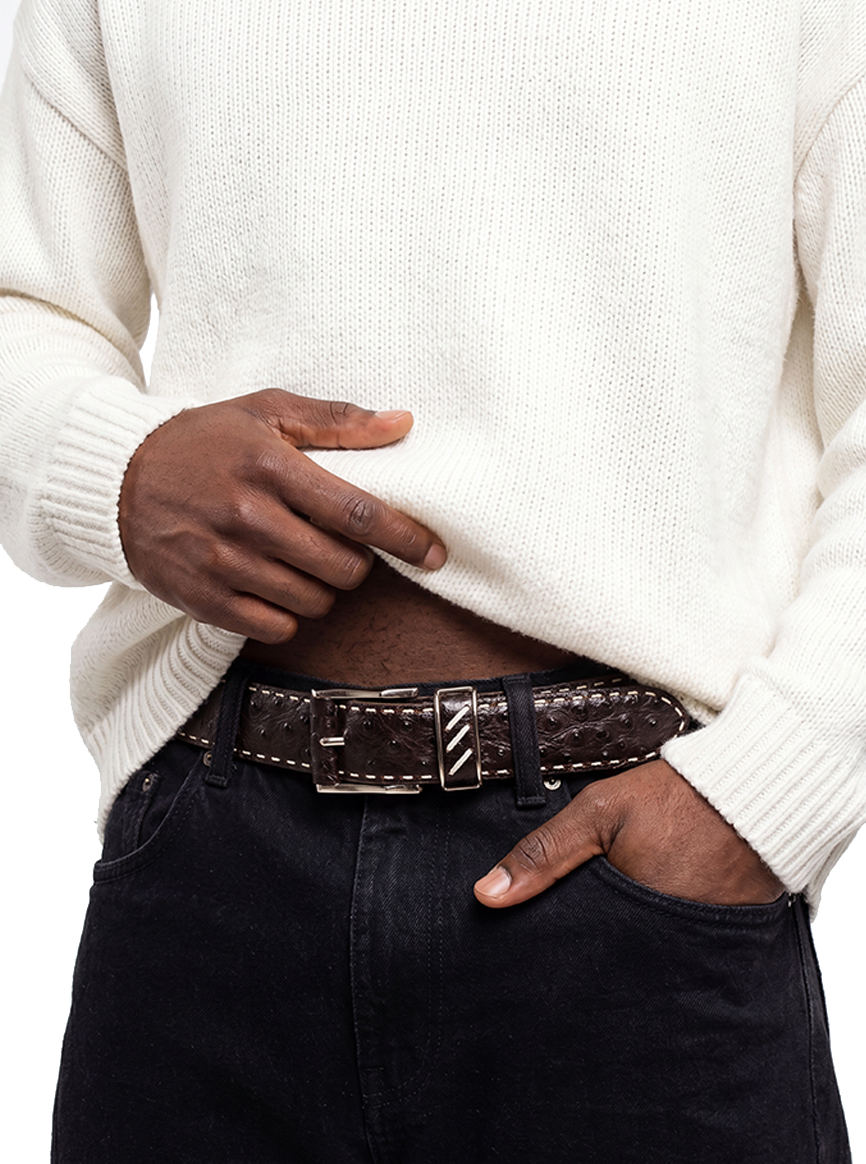
- A leather belt, bag or card holder. Logo debossed inside, with the person’s initials outside.
- A wooden board or box. Logo laser engraved underneath, or inside the lid.
Choose an item a person would buy for themselves, with or without your logo. Our article on luxury corporate gifts gives four tests for the object itself.
Where the Logo Should Go
My advice on placement:
- Put the logo inside or underneath: on the lining of a bag, inside a belt, under the lid of a box.
- Ask for its size in millimetres and choose the smallest size that can still be read.
- Put the person’s initials where people will see them, and your logo second.
Put your brand at full size on the box and the card.
Where Does a Logo Belong on Other Kinds of Gift?
On any gift, the logo belongs where the owner sees it and other people mostly do not. The ideas above cover notebooks, glass, scarves, leather and wood. Eight other items a company might brand follow.
| Item | Where I would put the logo | Where I would not |
|---|---|---|
| A pen | On the cap or the clip, engraved | Along the barrel, in print |
| A shirt or jacket | On a woven label inside the collar, or small on the cuff | Across the back, unless it is a uniform |
| A cap | Small, on the side or the back strap | Across the whole front panel |
| An umbrella | On the strap or the handle | On every panel |
| A water bottle or flask | On the base, or small beside it | Wrapped around the middle |
| A blanket or throw | On a sewn label at one corner | Woven large into the centre |
| A charger or other device | On the underside | On the face the person looks at |
| A hamper | On the box, the ribbon and the card | On each item inside |
Where an item has no hidden surface, such as a pen, reduce the size of the mark instead of moving it.

Branding Methods for Corporate Gifts Compared
| Method | How it looks | Used on |
|---|---|---|
| Debossing | The mark is pressed into the surface, with no colour | Leather |
| Foil embossing | A pressed mark with gold, silver or coloured foil | Leather, card and boxes |
| Laser engraving | A fine mark cut by laser | Leather, wood and metal |
| Embroidery | Stitched thread | Clothing and caps |
| Printing | Ink on the surface, in any colour | Paper, ceramics and fabric |
Ask each supplier which methods they do themselves and which they send out. Work that is sent out can add time. Ask too whether there is a set-up fee for your artwork, and which file format they need.
How Does Each Branding Method Work?
Each branding method presses, cuts, stitches or prints the mark, and that difference decides how the logo looks and what it can be put on. These are general descriptions, each linked to the reference entry it comes from.
- Debossing and embossing. An embossed mark is raised against the surface and a debossed mark is sunk into it. The material is pressed between two dies, one raised and one recessed, and a mark pressed with no ink and no foil is called blind. On leather, a custom metal die shapes the surface by pressure and heat.
- Foil stamping. A heated die presses foil onto the surface, and pressure and heat bond the foil to it. Embossing and foil stamping used on the same mark is called combination stamping.
- Laser engraving. A laser cuts into the object and removes material to render the design, with no ink and no tool bit touching the surface. On wood the mark darkens, because the surface is carbonised.
- Embroidery. A computerised machine stitches the logo in thread, following a pattern digitised with embroidery software. A quote may list that step as digitising.
- Screen printing. Ink passes through a mesh onto the surface, except where a stencil blocks it. One colour is printed at a time, so a design in several colours uses several screens.
- A woven or printed label. A textile label may be woven or printed, and is woven into the item or attached to it.
- A card or sleeve. The mark is printed on card or paper that goes around or beside the gift, and the object itself carries nothing.
Pressed and foil marks need a die made for your design, and screen printing needs a screen for each colour. Ask whether these are charged once, and whether the supplier keeps them for a repeat order.
Searches for branded corporate gifts in South Africa were highest in September 2025, at 390, and lowest in December 2025, at 70.
Branded Corporate Gifts, Month by Month
Searches a month, September 2025 to August 2026
- Searches for “branded corporate gifts”
Should Branding on a Gift Be Subtle or Prominent?
Branding should be subtle on a gift for one person, and it may be prominent on an item made to be seen at an event. Settle first whether the item is a gift or a piece of promotion, because the two follow different rules.
| Point | Subtle branding | Prominent branding |
|---|---|---|
| What it is | A small mark, inside or underneath, often with no colour | A large mark on the outside, in your brand colours |
| Suits | A gift for a named client, a director or a long-serving member of staff | Items for a conference, a launch, a sports day or a uniform |
| The person’s name | Comes first, with your mark second | Not needed |
| Methods I would use | Blind debossing, a small engraving, a woven label | Screen printing, embroidery, coloured foil |
| What I would expect | The piece is used in private life as well as at work | The item is used at the event and at work |
Either is a fair choice. The mistake is to mix them: a costly gift with event-sized branding, or an inexpensive item presented as a personal gift. If you are unsure which of the two you are buying, ask whether the person would use it at a weekend.
What Artwork Files Will a Supplier Ask For?
A supplier will ask for your logo as a vector file, together with your colour references and any rules on how the logo may be used. Send these with the first enquiry and the quote will be more exact.
- A vector file. Vector artwork is made from mathematical curves, so it prints crisply when resized, where a low-resolution image blurs when it is enlarged. Ask your designer for the logo in a vector format such as SVG or a vector PDF. Do not send a logo copied from a website or an email signature.
- A version in one colour. For debossing, engraving or foil in one colour, ask your designer for the logo in solid black, with no shading and no gradients.
- Colour references. For foil, thread or ink, send the colour codes from your brand guidelines and say which colour matching system they belong to. If the guidelines name spot colours, send those: a spot colour is printed by one ink, pure or mixed, in a single run, where a process colour is produced from dots of different colours. Ask to see the nearest foil or thread beside your reference before you approve, and do not judge colour on a screen.
- The smallest size. Ask the supplier for the smallest size at which their method can reproduce the thinnest line and the smallest letter in your logo, and whether a simplified version is needed.
- The names. If pieces carry names or initials, send one list in a spreadsheet, typed exactly as each should appear, with capitals and full stops as you want them.
- The rules. Send the page of your brand guidelines that covers clear space and what may not be done to the logo.
Name one person on your side who approves artwork. In my view that is the simplest way to stop two versions of a logo reaching production.

What to Check Before You Approve
- The spelling of every name and every set of initials. Read them aloud against your list.
- The size of the logo in millimetres.
- The exact position, shown on a photograph of the real item.
- The colour, if foil or ink is used.
Approve the proof in writing. Production should never start on a verbal yes.
What Should You Ask About Minimum Quantities and Lead Times?
Ask every supplier for the minimum order, the lead time and the points at which the price changes, and ask for all three in writing. These figures differ by supplier and by method, so I give the questions and no figures.
On quantities
- What is the smallest order you will brand, and is it the same for every method?
- Is the minimum different if each piece also carries a name?
- At what quantities does the price per piece change?
- Is the die, the screen or the set-up charged once, and is it kept for a repeat order?
- May I order a few spare pieces without names?
On lead times
- How many working days pass between an approved proof and delivery?
- Does the time start at the order, the deposit or the approved proof?
- How long does the proof itself take, and how many rounds of changes are included?
- What is your last order date for delivery before the December holidays?
- What happens to the date if I change the list of names after approval?
Count back from the day you need the gifts, and add a week for checking them. Allow longer for pieces made to order than for stock items with a logo added, and decide which of the two you are buying before you set the date.
Which Branded Gifts Suit Which Recipient?
The right branded gift depends on who receives it and how well you know them. Match the gift and the size of the logo to the recipient, as the table sets out.
| Recipient | What I would give | Branding |
|---|---|---|
| A client of many years | One fine object chosen for the person | A hidden mark, with their initials |
| A new client | Something for the desk or for travel | A small mark, inside or underneath |
| A new member of staff | Items they will use at work on the first day | A visible mark is acceptable. They have joined the company |
| A long-serving member of staff | A personal piece that marks the years | Their name and the date first. Your mark hidden |
| Delegates at an event | A useful item they can carry home | A visible mark, with the event name on the card and not on the item |
| A supplier or partner | A shared gift for the team | Your mark on the box and the card only |
| A board member | A single piece, given in private | A hidden mark, or none |
Our article on corporate gifts for clients deals with clients alone. Before any gift to a client or to a public official, check the recipient’s own gift policy.
What Branded Gift Should You Choose at Each Budget?
At every budget, I would buy fewer and better items and keep the branding small. The bands are planned spend per person. The suggestions are mine.
| Planned spend per person | What I would choose | Branding I would use |
|---|---|---|
| Under R500 | One useful item in a genuine material, such as a notebook or a glass | One colour, small. Spend on the item before the print |
| R500 to R1,500 | A better version of a single item, or two items that belong together | A woven label, a small engraving or a blind deboss |
| R1,500 to R3,500 | A piece in leather, wool, wood or glass, in a box | A hidden mark, with the person’s initials |
| R3,500 to R10,000 | A piece made for the person | A hidden mark, the name or initials, and a handwritten card |
| Above R10,000 | One piece, for one person or a few | No logo on the piece. Keep it to the box and the card |
Add the cost of branding, boxes and delivery to the price of the item before you compare quotes. Ask each supplier to list them on separate lines.

Are Branded Corporate Gifts Wasteful?
A branded gift is wasteful when nobody uses it, and in my view the object and the size of the logo decide that. This is an opinion, and I give no figures for it.
I think three choices reduce waste. Order for the number of people on the list, with a few spares, and not to a round number. Choose a material that can be repaired or that improves with wear, and ask where it comes from. Keep dates and campaign names off the item, so that it can be used for years.
Packaging is part of the question. Choose a box the person will keep over a plastic sleeve. Ask the supplier what the gift arrives in, and whether that packaging can be recycled where the recipient lives. We set out our own thinking on materials in how we source our leather.
How Do You Brief a Supplier for Branded Gifts?
Brief a supplier in one written message that states the item, the quantity, the branding, the date and the budget. A complete brief produces a quote you can compare with another.
- The item, the material and the colour.
- The quantity, and the number of spare pieces.
- The branding method you prefer, the position, and the size in millimetres.
- Whether each piece carries a name or initials, with the list attached.
- The artwork: the vector file, the one-colour version and the colour references.
- The packaging: box, sleeve and card, and what is printed on each.
- The delivery date and address, and whether the pieces go to one address or to many.
- The budget per person, including branding, packaging and delivery.
- The person who approves the proof, and how approval will be given.
- The terms you need: the deposit, what happens to faulty pieces, and whether branded pieces can be returned.
Send the same brief to each supplier, so that the quotes differ only in what each one offers.
Your Logo on Leather
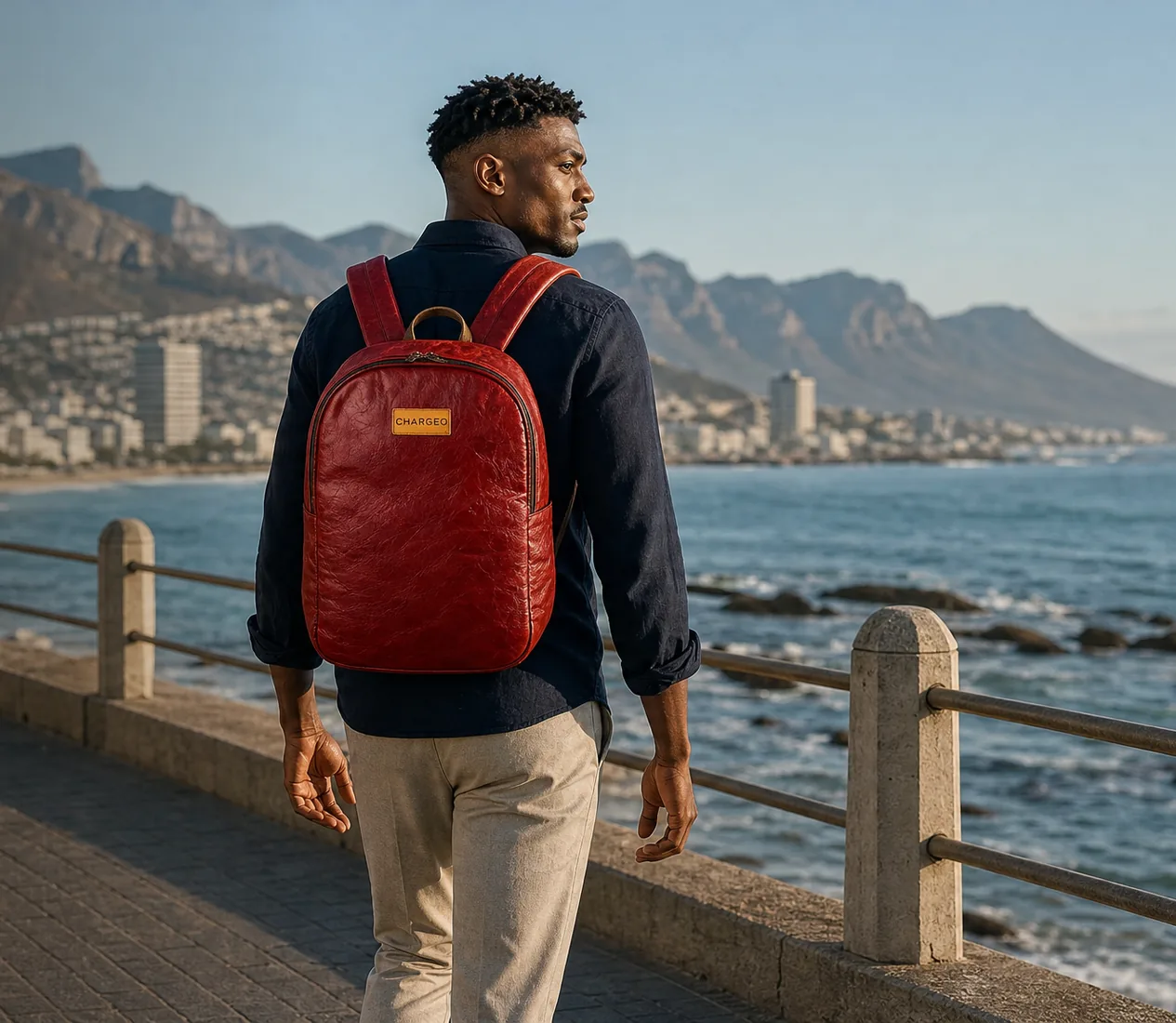
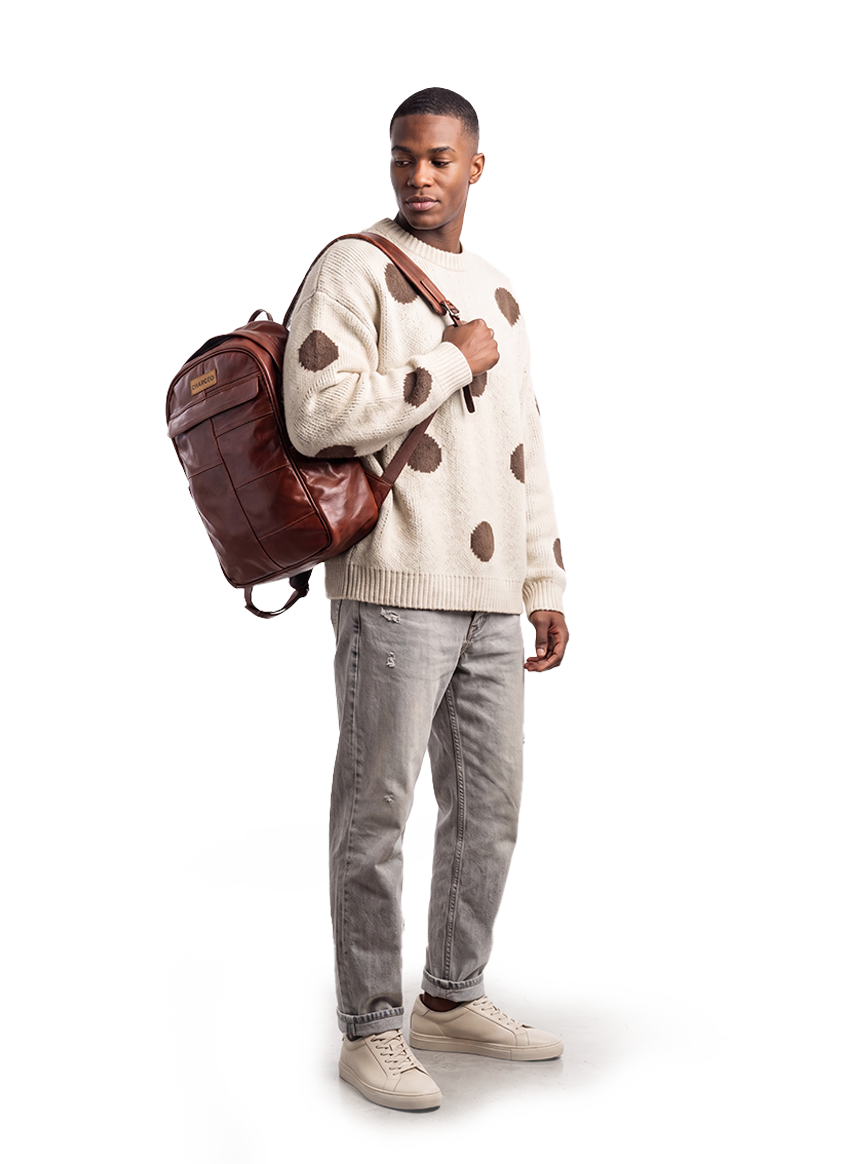
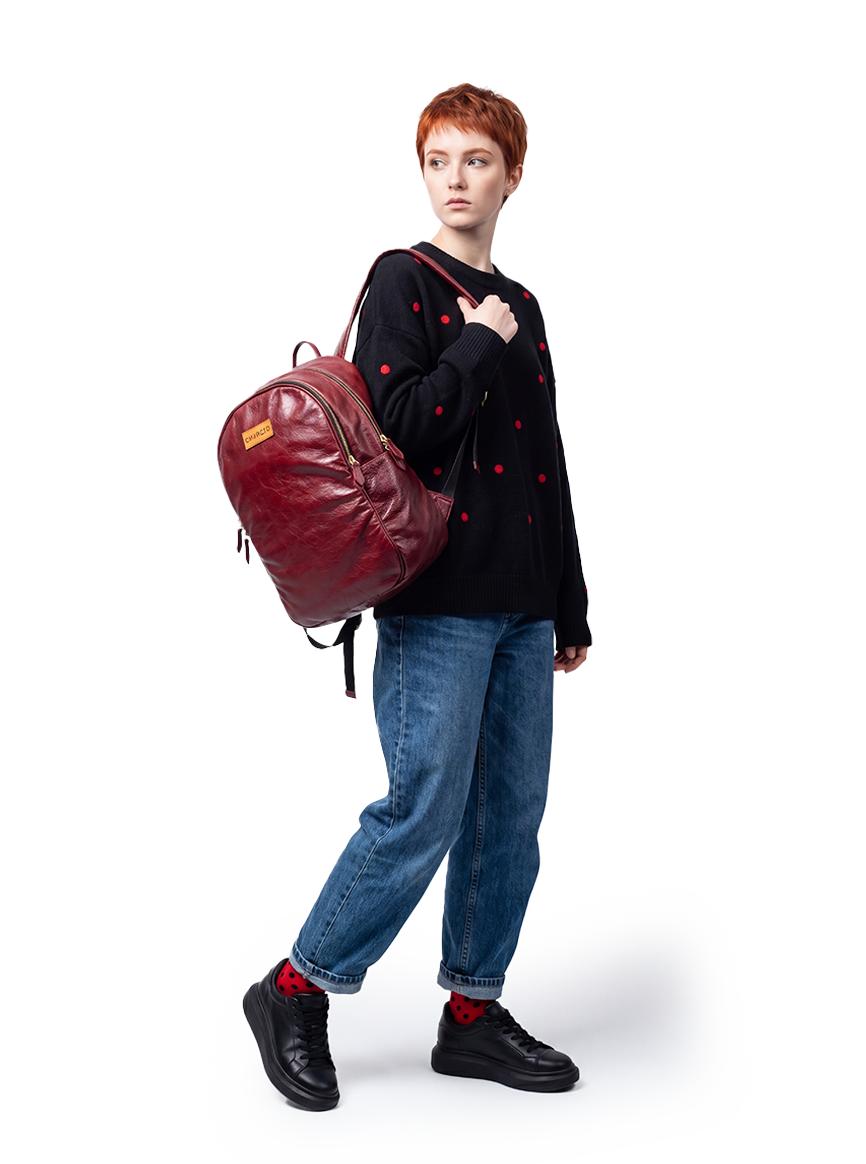
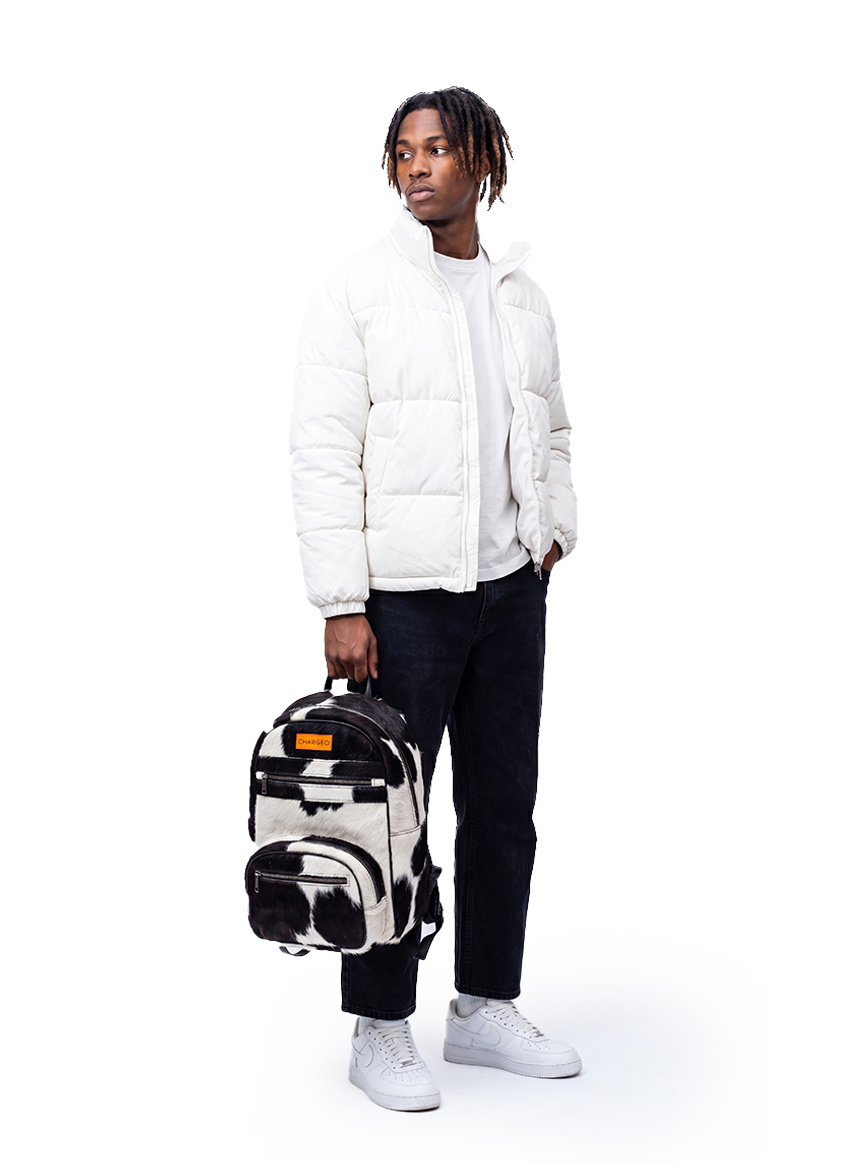
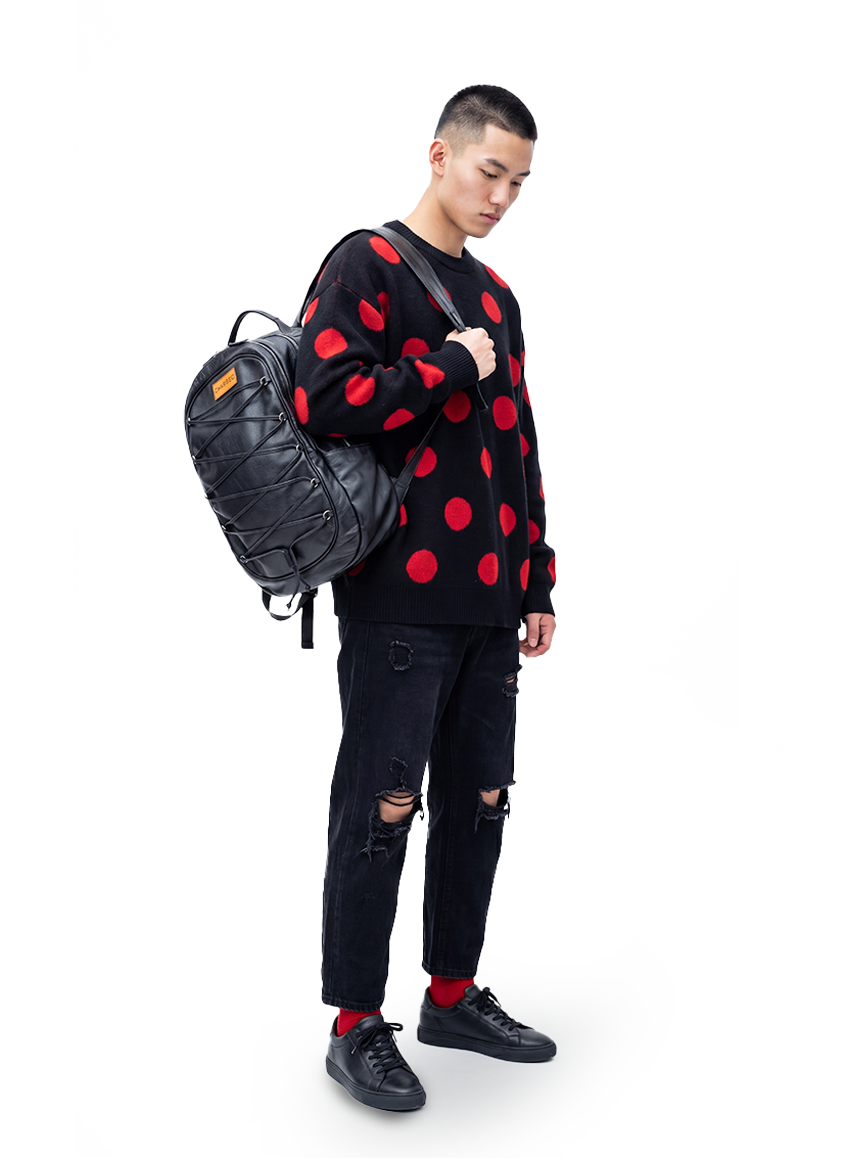
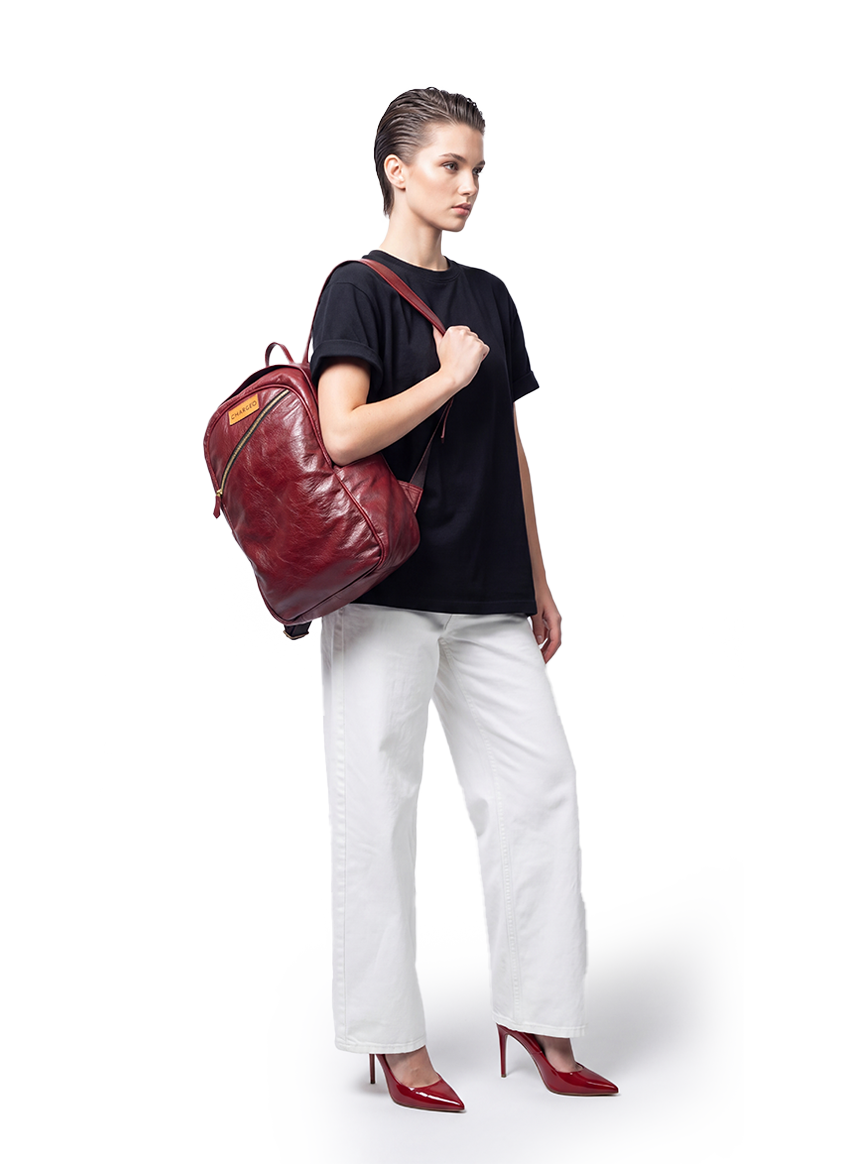
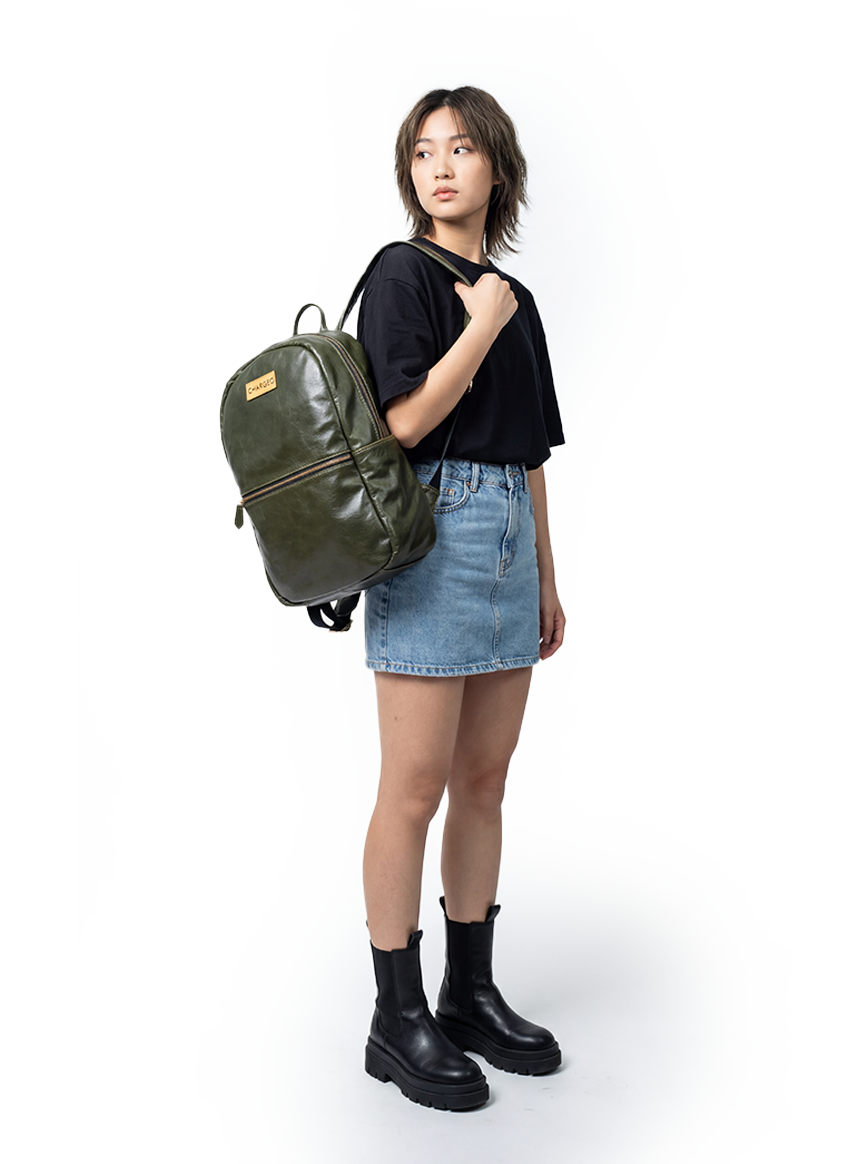
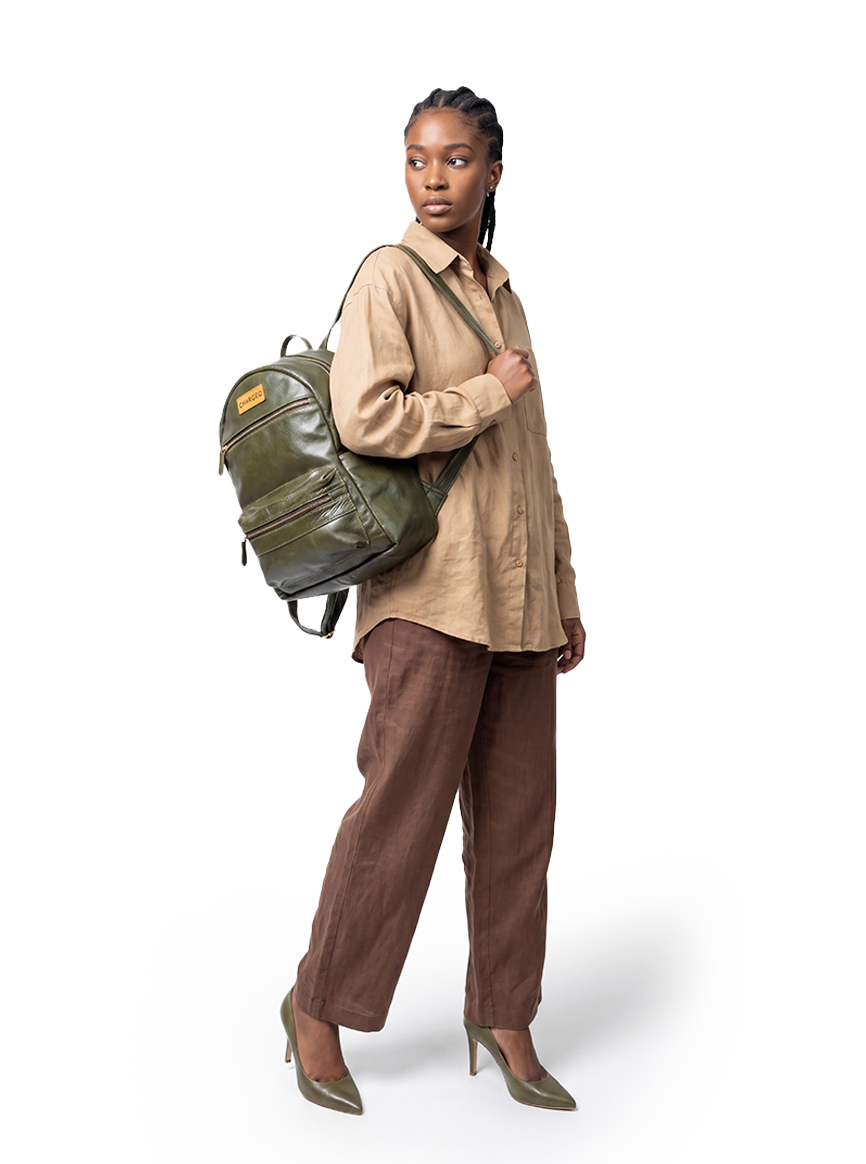
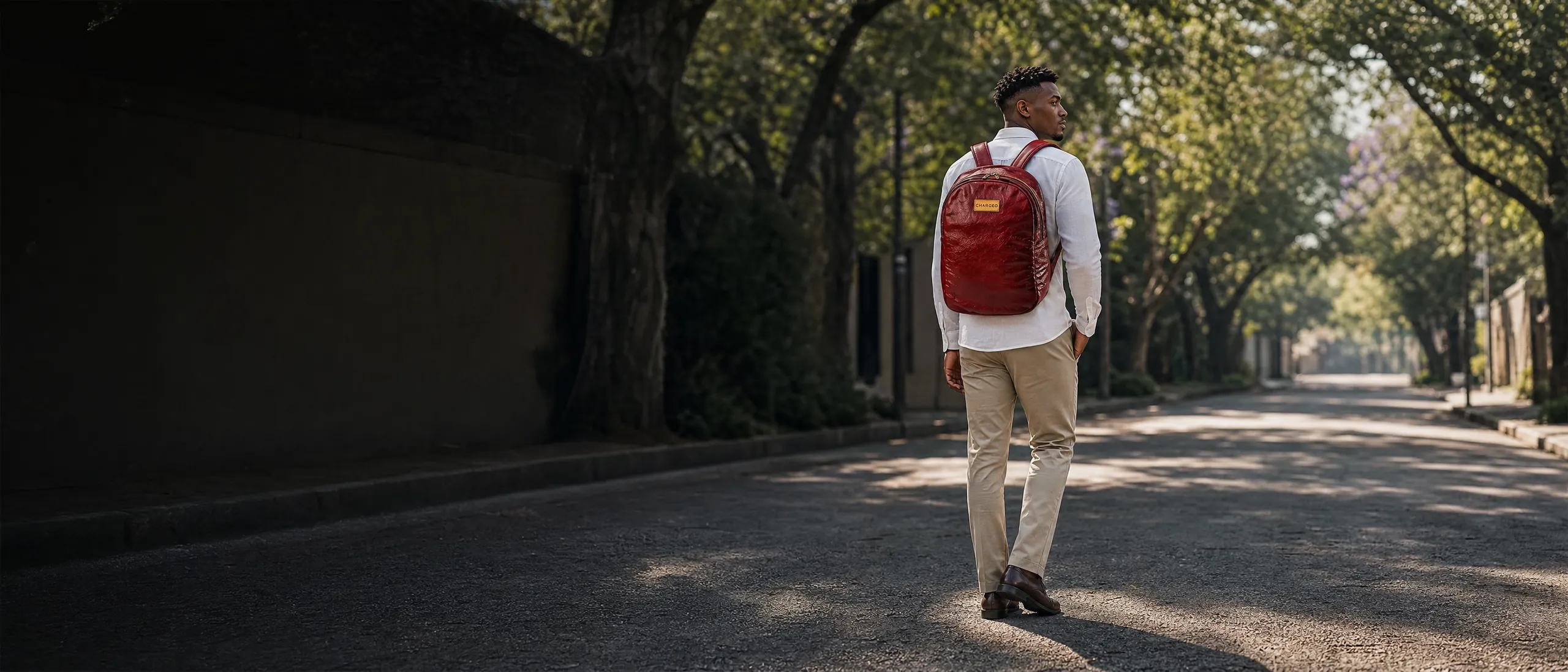
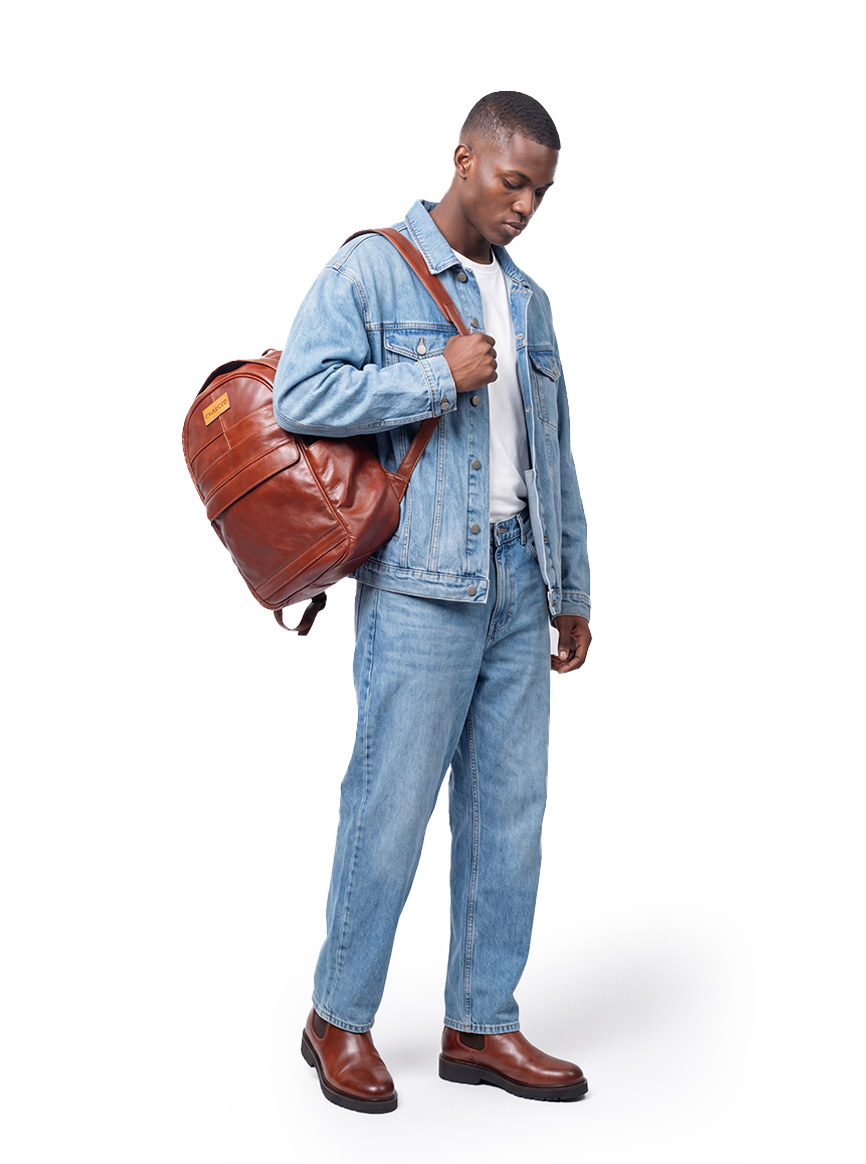
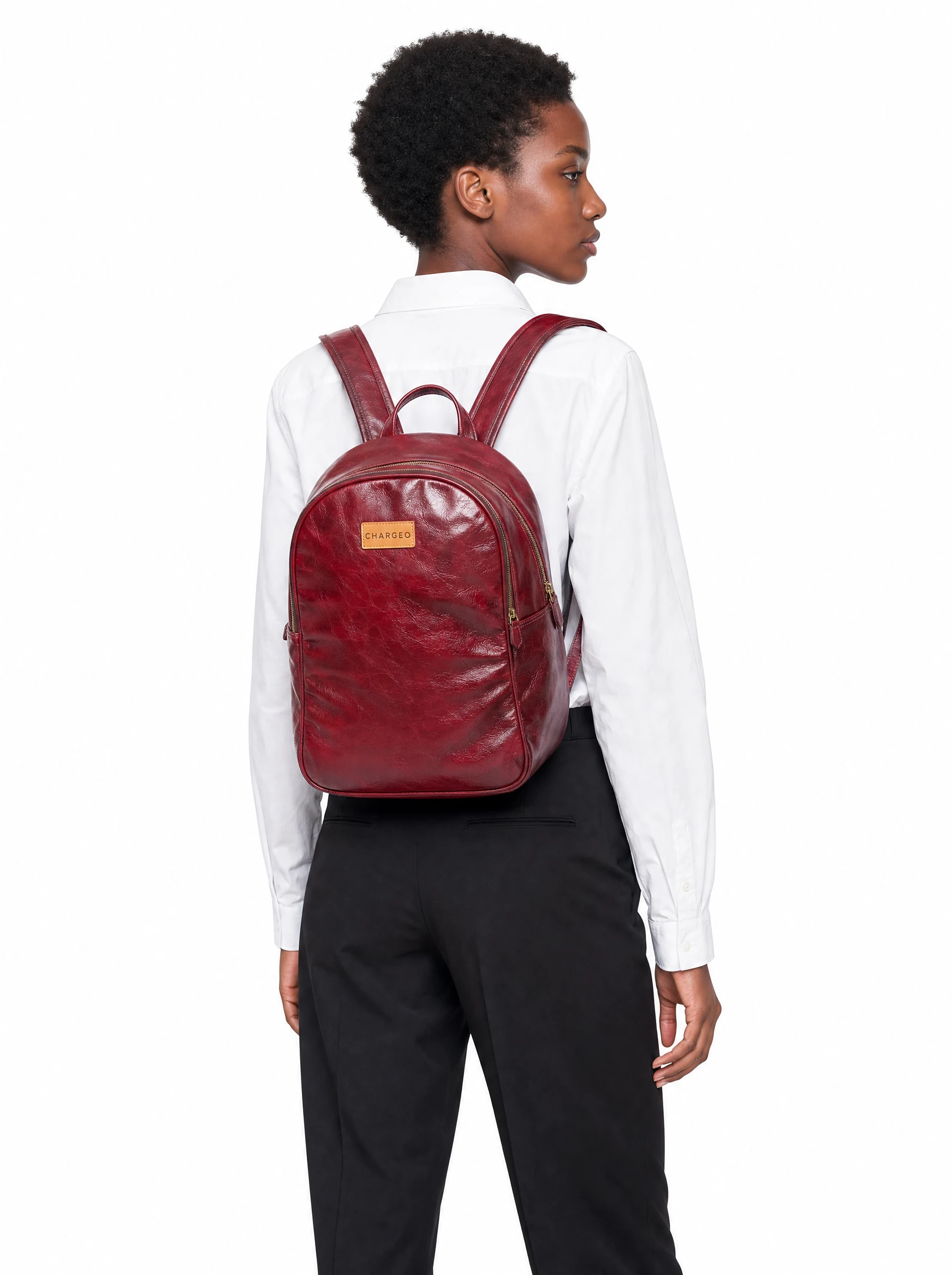
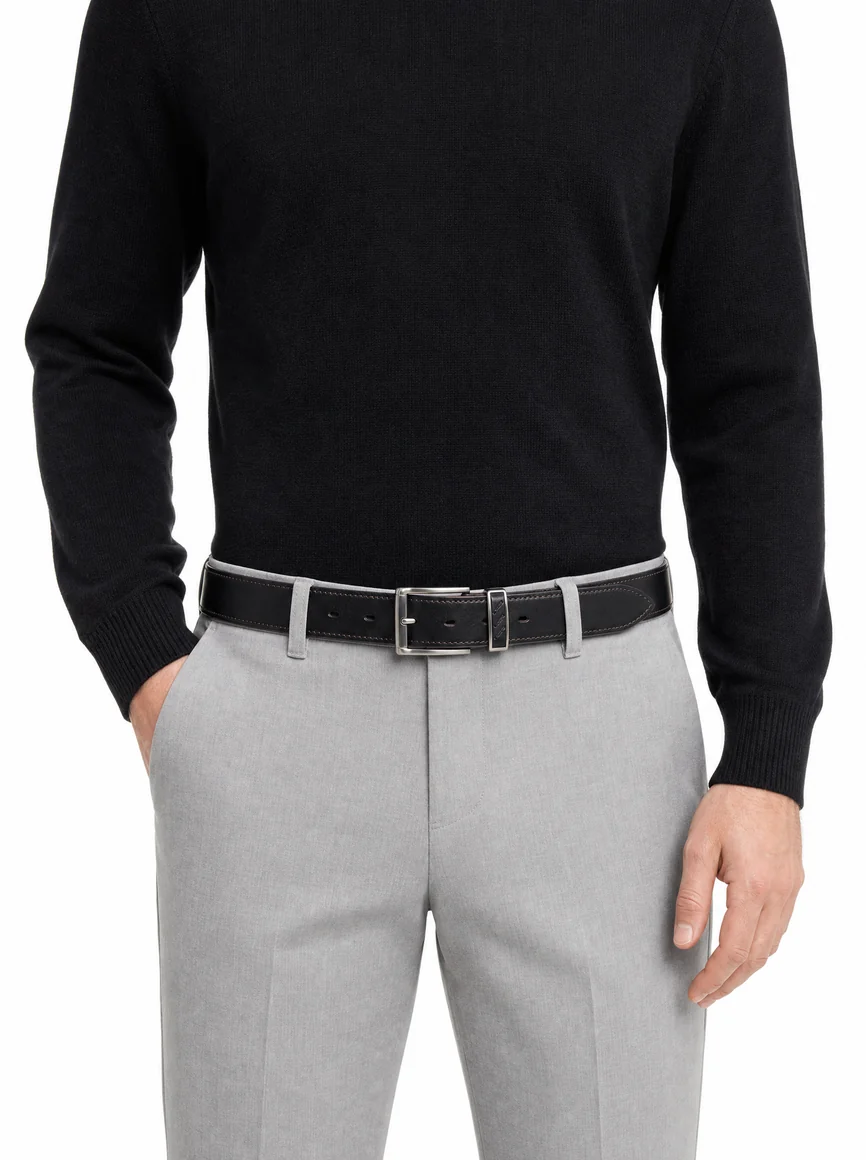
We brand leather backpacks, belts and shoes for companies, from five pieces, by debossing, foil embossing or laser engraving. You approve a digital proof before production begins. Each piece can also carry the person’s monogram, and arrives with a card.
Our pieces are made to order in two months, for up to 50 pieces, so plan year-end corporate gifts early. Volume pricing begins at 15 pieces. The details are on our page for corporate gifts with your logo.
More on Corporate Gifts
Questions, Answered
What are branded corporate gifts?
Gifts that carry a company’s logo or name. We advise a fine object with a small mark.
Where should a logo go on a corporate gift?
Inside or underneath, at the smallest size that can still be read. Use the box and the card for your brand at full size.
What is the difference between debossing and foil embossing?
Debossing presses the mark into the surface with no colour. Foil embossing adds gold, silver or coloured foil to the pressed mark.
How long does branding add to an order?
It depends on the supplier and the method, so ask for the lead time in writing. Our own pieces are made to order in two months.
What is the difference between embossing and debossing?
An embossed mark is raised against the surface and a debossed mark is sunk into it. In both, the material is pressed between two dies that carry the design.
What file does a supplier need for a logo?
A vector file, such as SVG or a vector PDF, a version of the logo in one colour, and your colour references. Vector artwork can be resized without losing sharpness.
What should you ask a supplier about minimum order quantities?
Ask for the smallest order they will brand, whether it differs by method, where the price per piece changes, and whether the die or set-up is charged once and kept for a repeat order.
Read all our questions and answers